Hackaday.io
Open source hardware projects indexed by ZouIC from public pages of this platform. For developer reference only; copyright and licensing stay with their authors.
Quick answer
Hackaday.io collects 15 projects on ZouIC.
- Entries
- 15
Common questions
How many projects does ZouIC list under Hackaday.io?
15, each with its own detail page and a link to the original source.
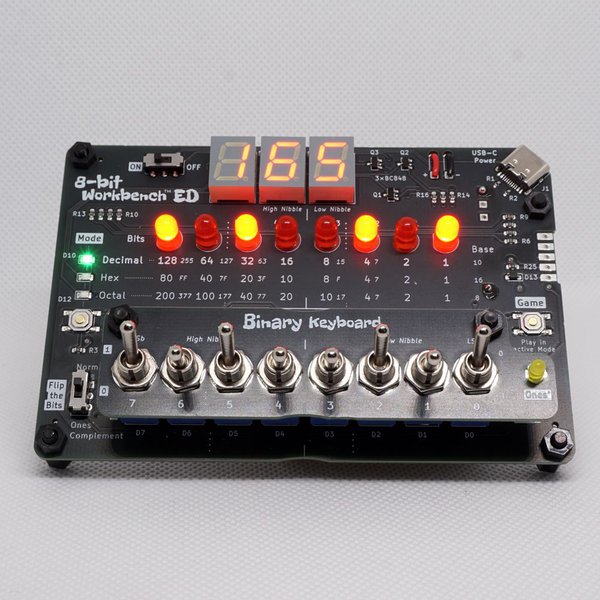
8-bit Workbench ED: hands-on with number systems
Get hands-on with number systems and explore the computer byte. Toggle eight bits and see their decimal, hexadecimal and octal value. Annotations at bit-level break down the displayed value and make comprehension easy. Powered by USB-C or a 9-volt battery. Includes a built-in game: beat the high score by toggling in the correct bits for each number system. A great STEM learning kit, on display at Teardown 2026 in Portland.
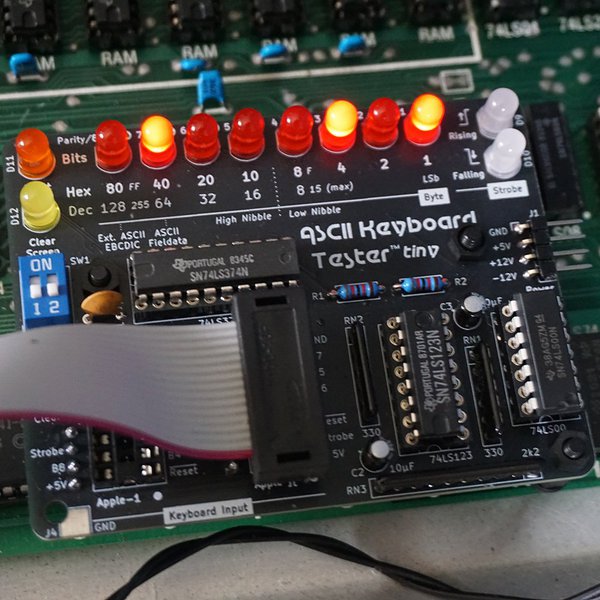
ASCII Keyboard Tester Tiny: test vintage keyboards
Evolutionary design of the legendary ASCII Keyboard Tester. It can now eavesdrop on the signals generated by a keyboard and transmitted to the vintage computer, without interfering with its normal operation. It still supports familiar standalone usage, so a (self-made) keyboard can be tested in isolation. All bits are annotated to ease conversion and understanding of hexadecimal and decimal number systems. Use the DIP switch to turn off the 8th bit or activate adapter mode, the latter to use an Apple ][ keyboard with an Apple-1 computer.
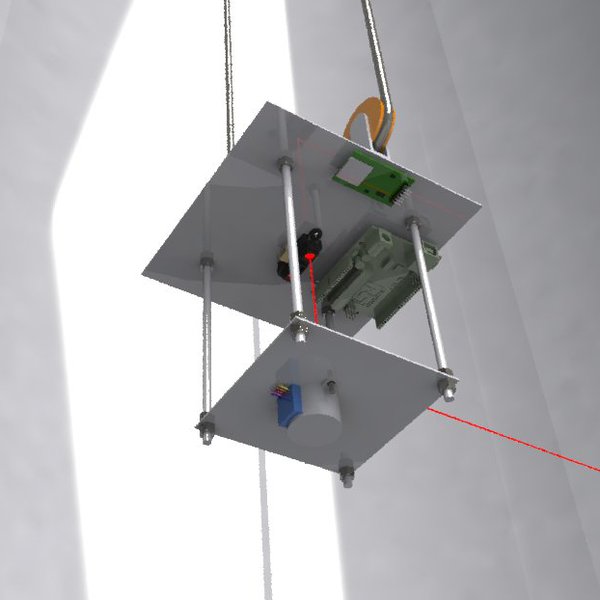
Deep Foundation Laser Scanner
Can you imagine how it is to go down into a deep earth hole and check whether the excavation is correct? The main idea is to use a robot to do the hard work: aim an infrared laser to all sides and take the measurements, using a Sharp sensor and stepper motors.
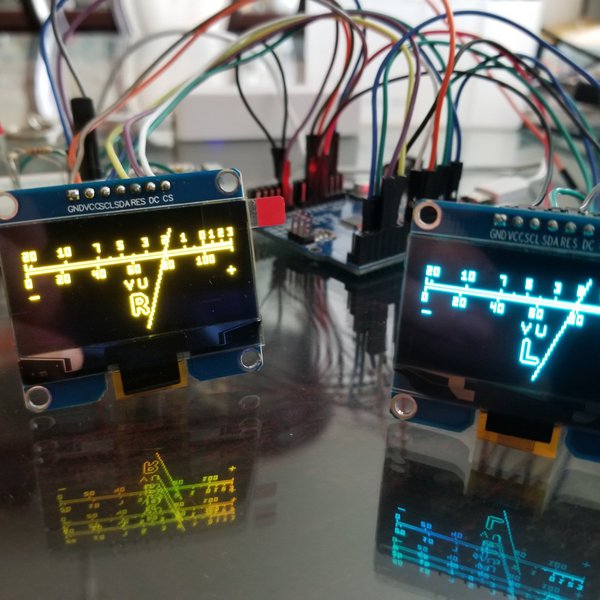
Digital VU Meter with Analog Physics
I've seen tons of digital VU meters that aspire to look like analog movements of days past, but most of them just directly set the needle position to the measured value, making them feel very digital and too stiff. In this project I experiment to add some physical response to look more like the real thing.
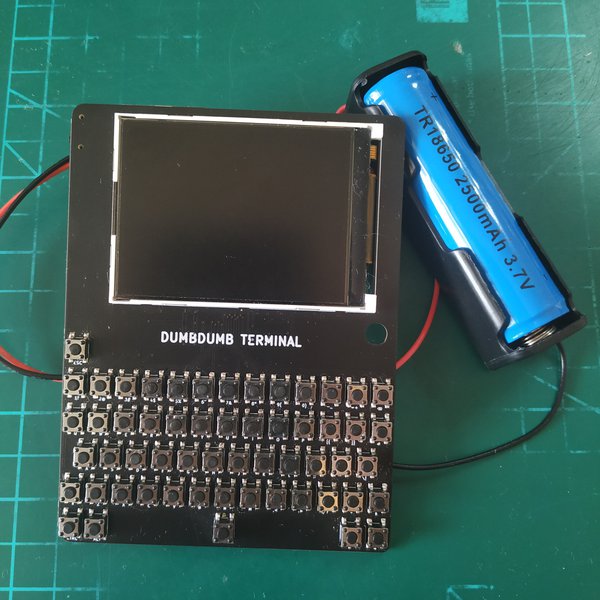
DumbDumb
A boot-to-python battery-powered handheld. It understands just enough VT100 terminal commands to work with the MicroPython REPL.
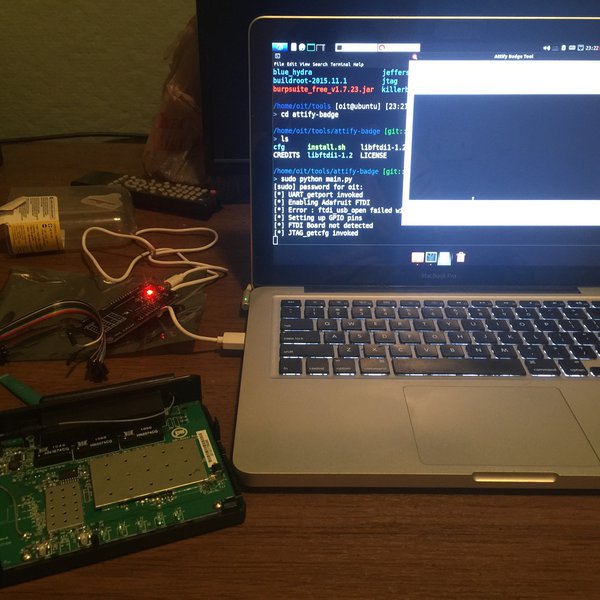
IoT Exploitation Practice
Since I've been really interested in hardware hacking for quite some time I finally decided to pull apart an Archer C7 v2 (rip I fried it), new target is a D-Link DIR-601 and poke around a bit. I got UART easily and suspect there's JTAG pinout but won't know for sure until I brute force them. Trying to use this as a learning experience; will update with more pics later after I hook up an Arduino and run JTAGenum.
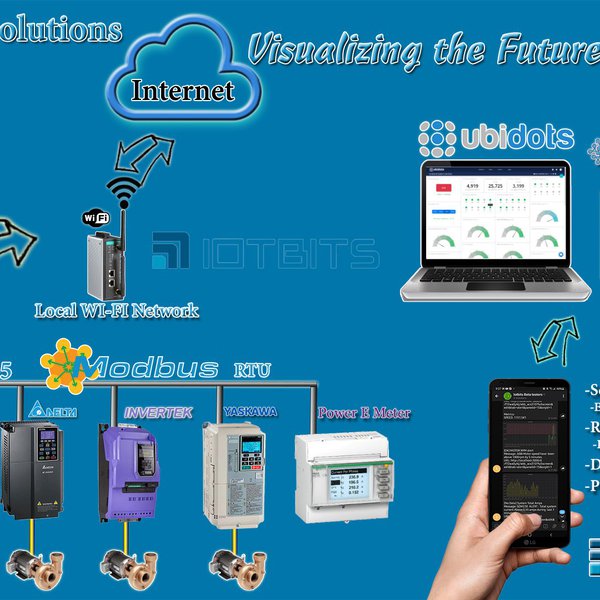
IOT ModbusBox
ModbusBox allows the integration of industrial controllers and devices that use Modbus RTU into the IoT world. Configuration goes through an embedded web portal (AP mode for setup, client mode on your local WiFi). It can read data registers from up to 4 Modbus slaves and periodically publish to cloud or local IoT services via MQTT, serialized as JSON for easy parsing.

MCS-85 - Self modifying program
This small and simple project explains how to write self modifying code with an 80C85 microprocessor of the MCS-85 family. The program will only RUN from RAM: we cannot run it from ROM or EPROM since the program dynamically modifies its own CODE while executing. The demonstration shows an array of 8 LEDs with one LED moving left and right.
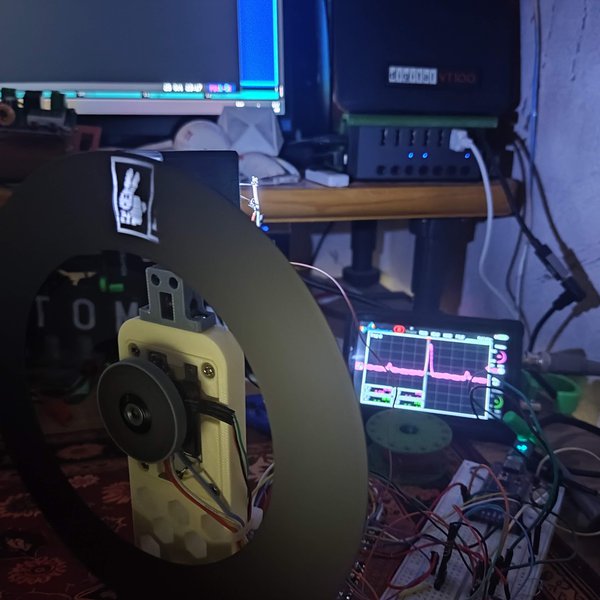
Mechanical TV / Display
My take on mechanical television: using a 3D printed Nipkow disc spun with a DVD motor.
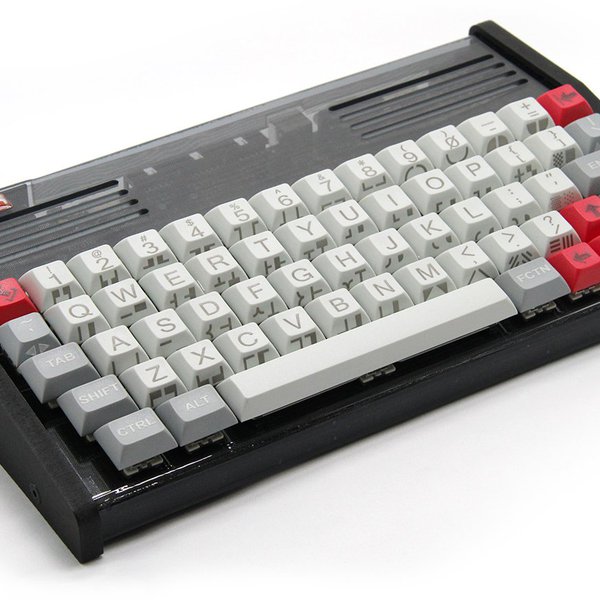
Micro-8
Micro-8 is an 8-bit computer with a custom OS and a custom C-like programming language called Lofi, along with a suite of examples, tools and utilities to help you create small 2D games and applications that run on real hardware. Based around an ATmega128 8-bit RISC MCU, it features custom FPGA graphics and audio (on top of a genuine YM2612 chip), a fully custom mechanical keyboard and a 220-page full-color printed manual.
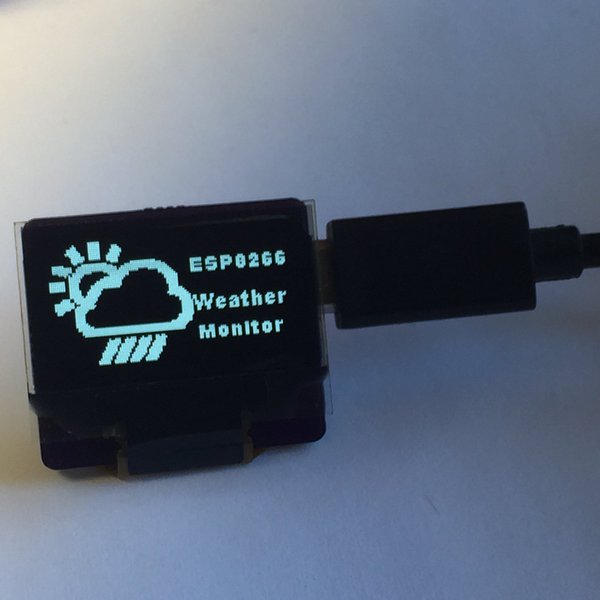
MicroUSB powered ESP8266 Oled Board
I'm a hardware designer and wanted the challenge of creating the smallest ESP8266-based design I could. It's under 1" x 1" and I use it to display weather information. The three example Arduino sketches were not created by me but were slightly modified to work on the hardware; I just created the hardware.

Motion remote
A simplified functional prototype of a handheld motion-sensing controller in a 3D-printed casing. The hardware is based on a simple breadboard, an ESP32 and a USB powerbank. With the included Android app a three-dimensional virtual plane can be moved and rotated.

Silver
Wireless shutter release remotes for reflex cameras can be found for cheap at the usual online retailers, but what if you need (a lot) more range? This project designs a long-range fully-featured remote control system based on LoRa transmitters, for landscape, astrophoto, portrait and technical photography.
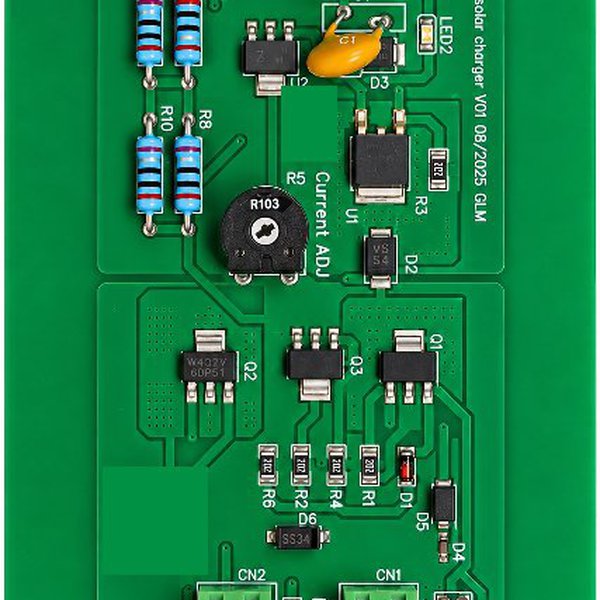
Solar lead battery charger for capacity 1.2Ah
This board can be used as a battery charger for a 1.2Ah lead battery. The current is limited to 100mA and there are protections for CC and OC. Input from a 10W solar panel. Useful for low-current projects.

Wien Bridge Medium Wave Radio Receiver
I came across a webpage that had a no-coil MW receiver and I just had to make one. Here it is in action on YouTube. If you're looking for the MW/AM reflex receiver logs, they moved to the "Super Simple MW/AM Radio Circuit" project.
All projects come from public pages of this platform. ZouIC indexes them and hosts no code or files; they are for developer reference only, under each project own license.