All board projects
Quality open-source board projects and technical materials from CrowdSupply, Hackaday, and Hackster.io, all in one place
Interacting with a TI SensorTag from an Intel NUC
This project shows you how setup an Intel NUC to interact with a TI SensorTag device using BLE (Bluetooth Low Energy).
Head-Pose Estimation on Ultra96-V2
The project describes how to implement a real-time head pose estimation on Ultra96-V2 using Vitis-AI.
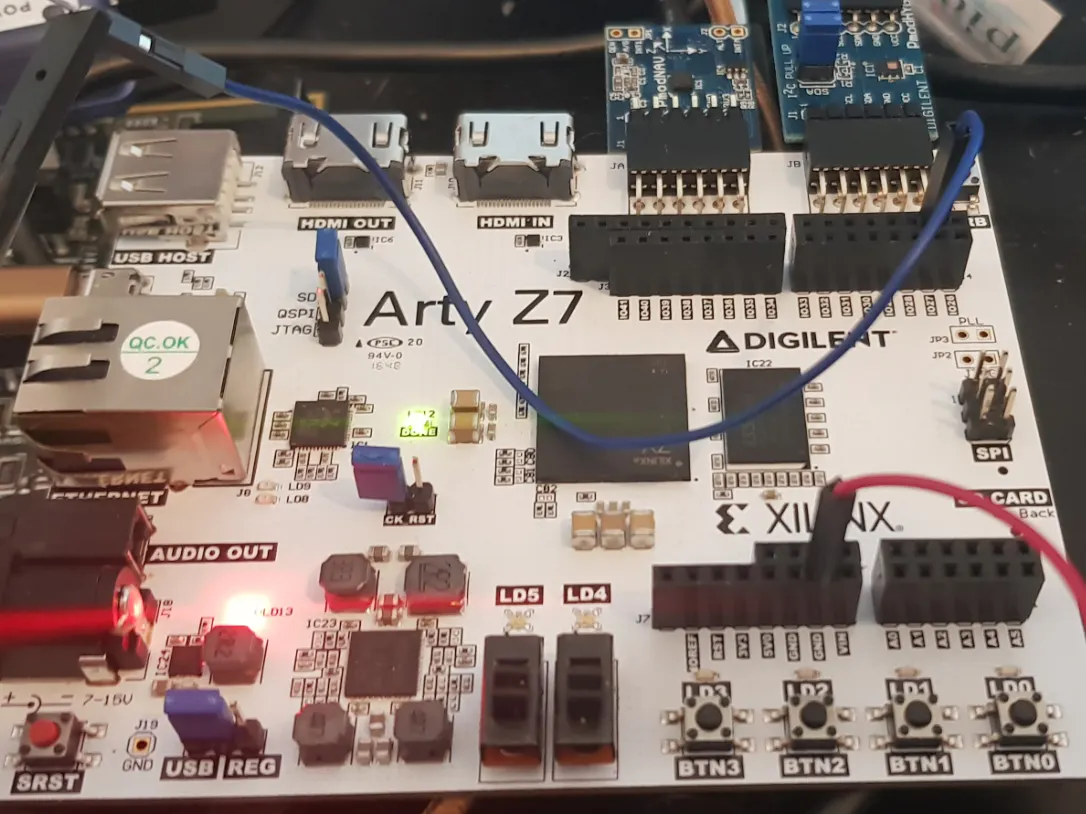
Big. LITTLE (ish) with DesignStart FPGA and Zynq at the Edge
How to integrate DesignStart Arm Cortex-M1 and M3 processors with the Xilinx Zynq.
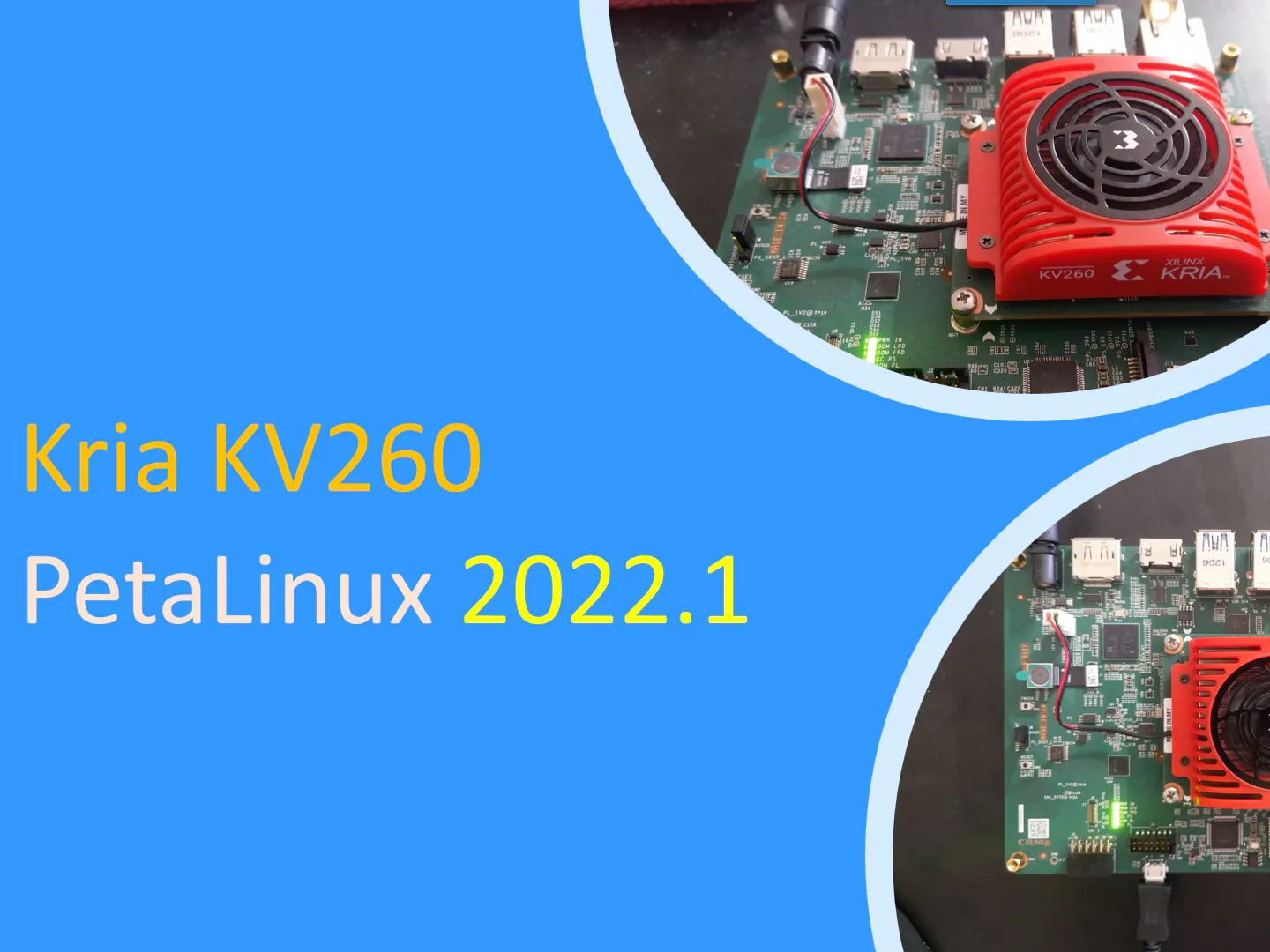
Kria KV260 and PetaLinux 2022.1: Part 01-Getting Started
This blog explains how to run PetaLinux 2022.1 on a Kria KV260 Vision AI Starter Kit.
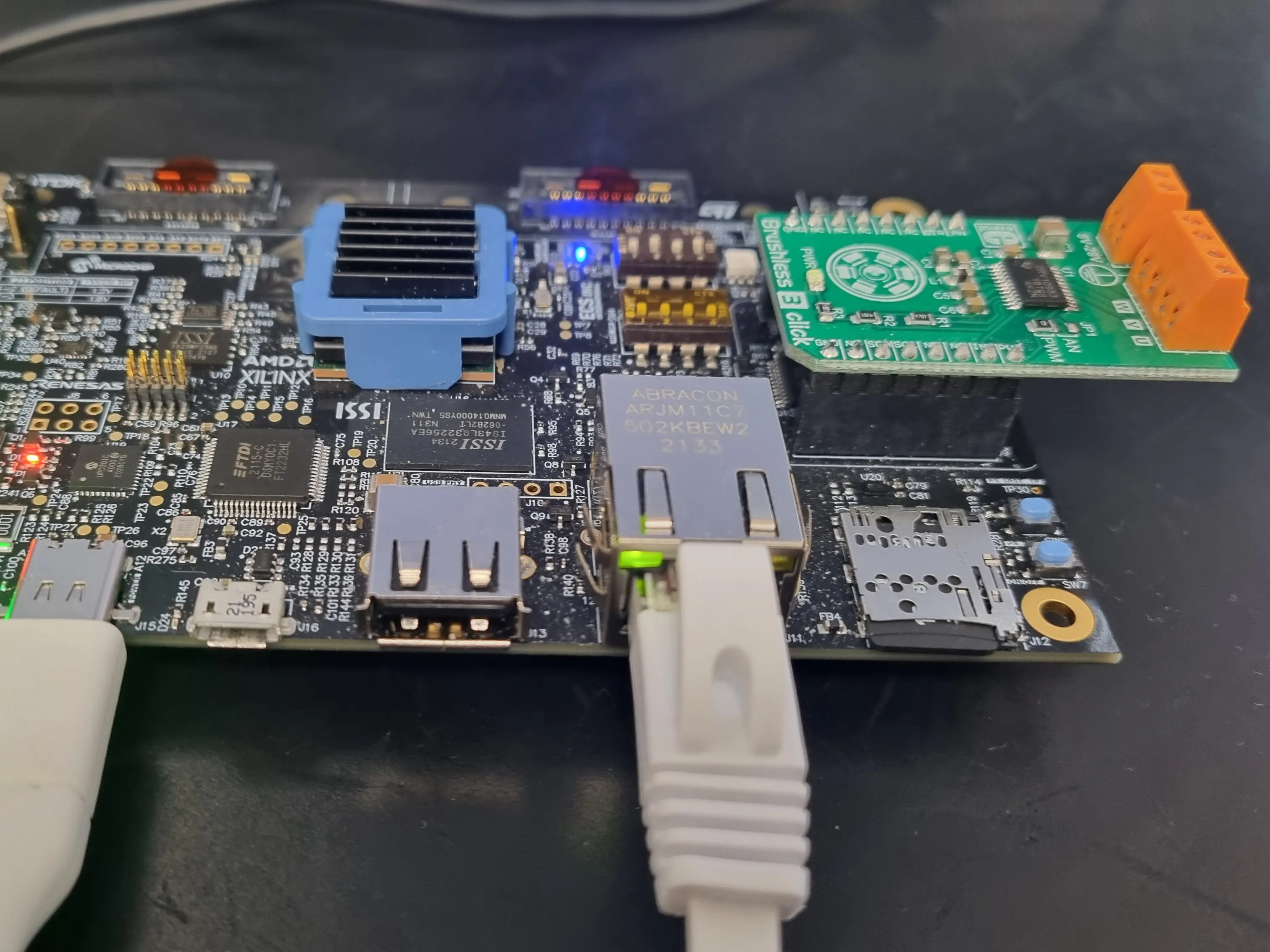
Getting Started with the ZUBoard, Vivado and Vitis
This project shows how to install Vivado, Vitis and create our first ZUBoard hello world project!

Helmet Detection using YOLOv3-Tiny on Kria KV260
Real-time camera helmet detection using YOLOv3-tiny on Kria KV260.
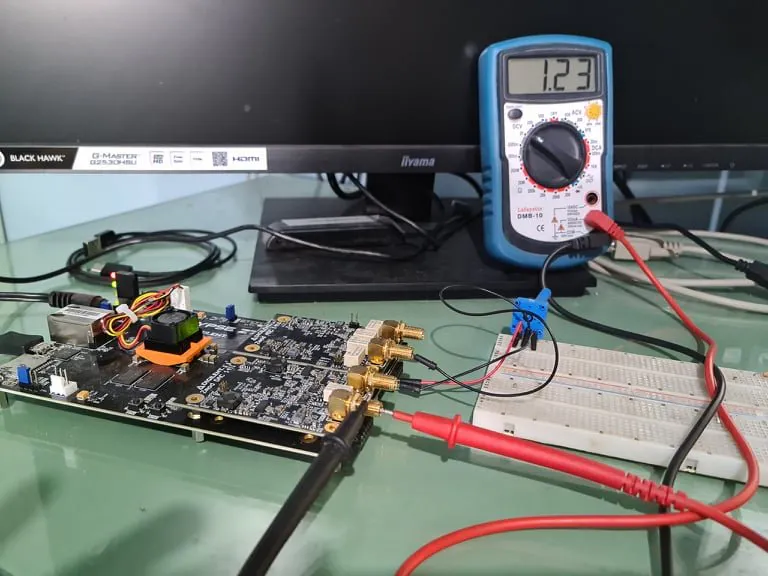
Eclypse-Z7: Zmod ADC to Zmod DAC Loop
This project will go trough the process of acquiring an input signal through the Zmod ADC and re-creating the signal through the Zmod DAC.
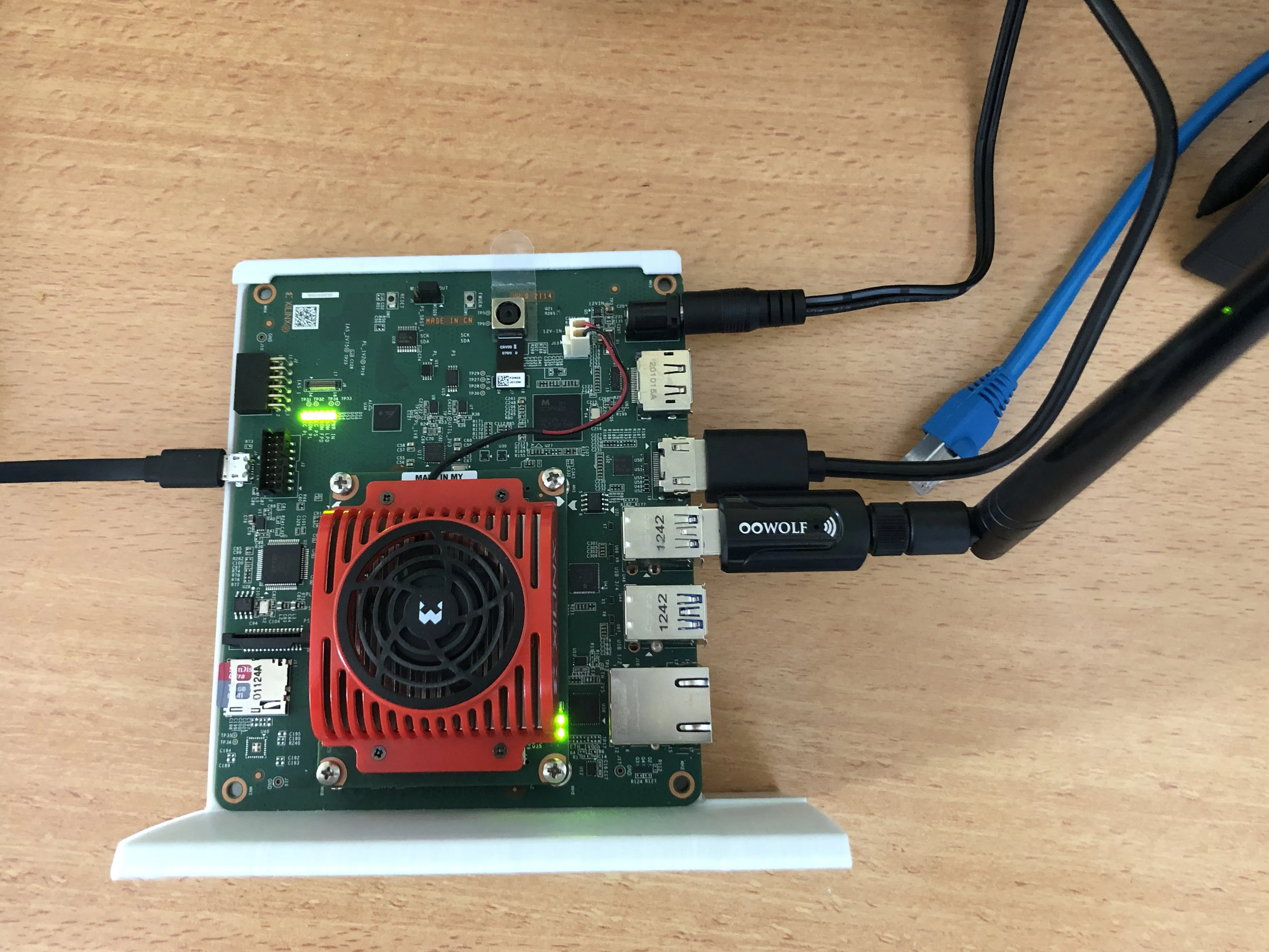
Adding USB-WiFi for the Kria KV260 (Ubuntu 20.04.3)
This project shows the step I did to add a USB-WiFi (Realtek 8812BU) adapter to a Kria KV260 running Ubuntu 20.04.3
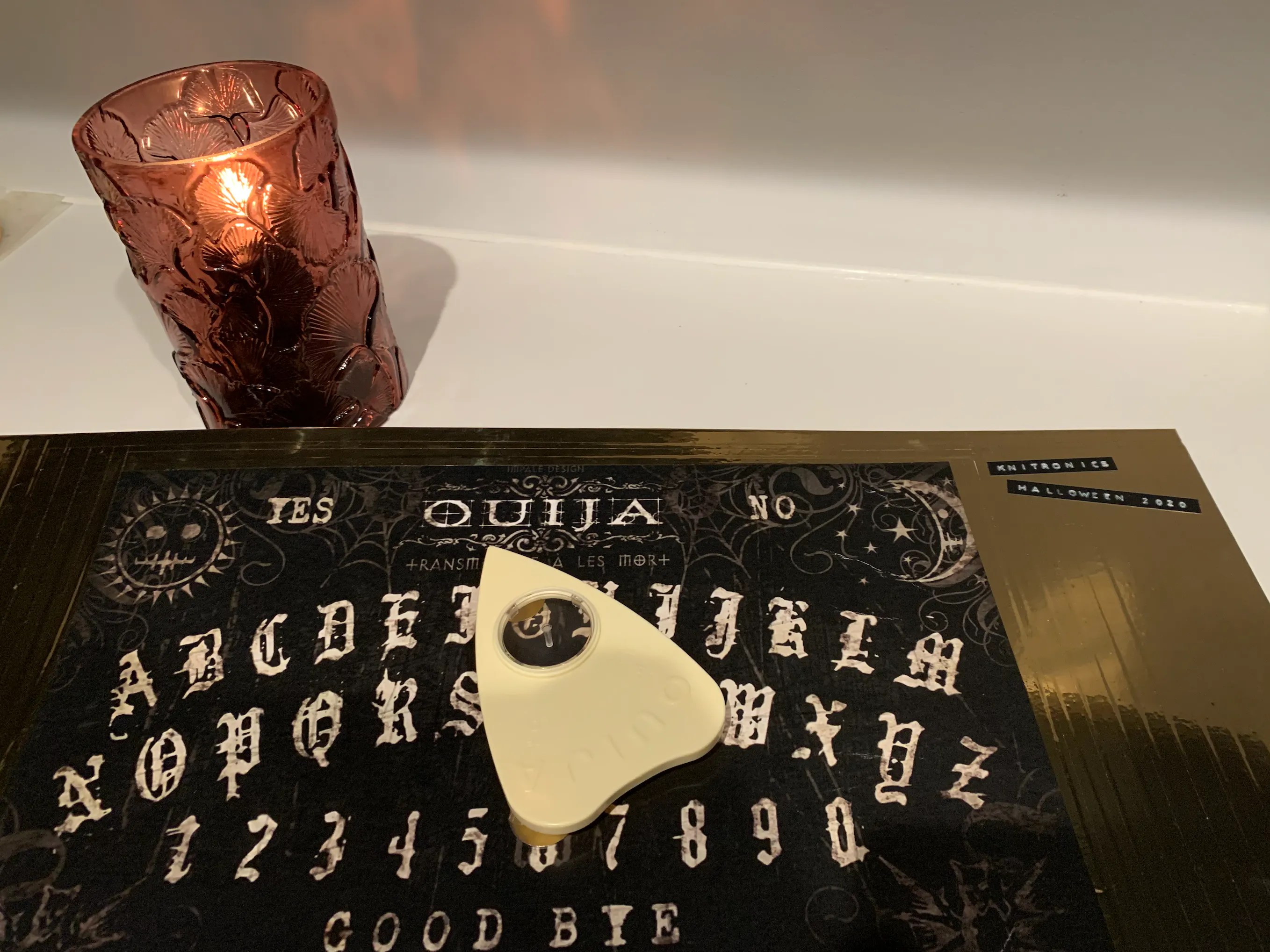
Electromagnetic Ouija Board Powered by FPGA
Talk to the FPGA spirits via electromagnetic forces this Halloween with a game board powered by a MiniZed running Python scripts.
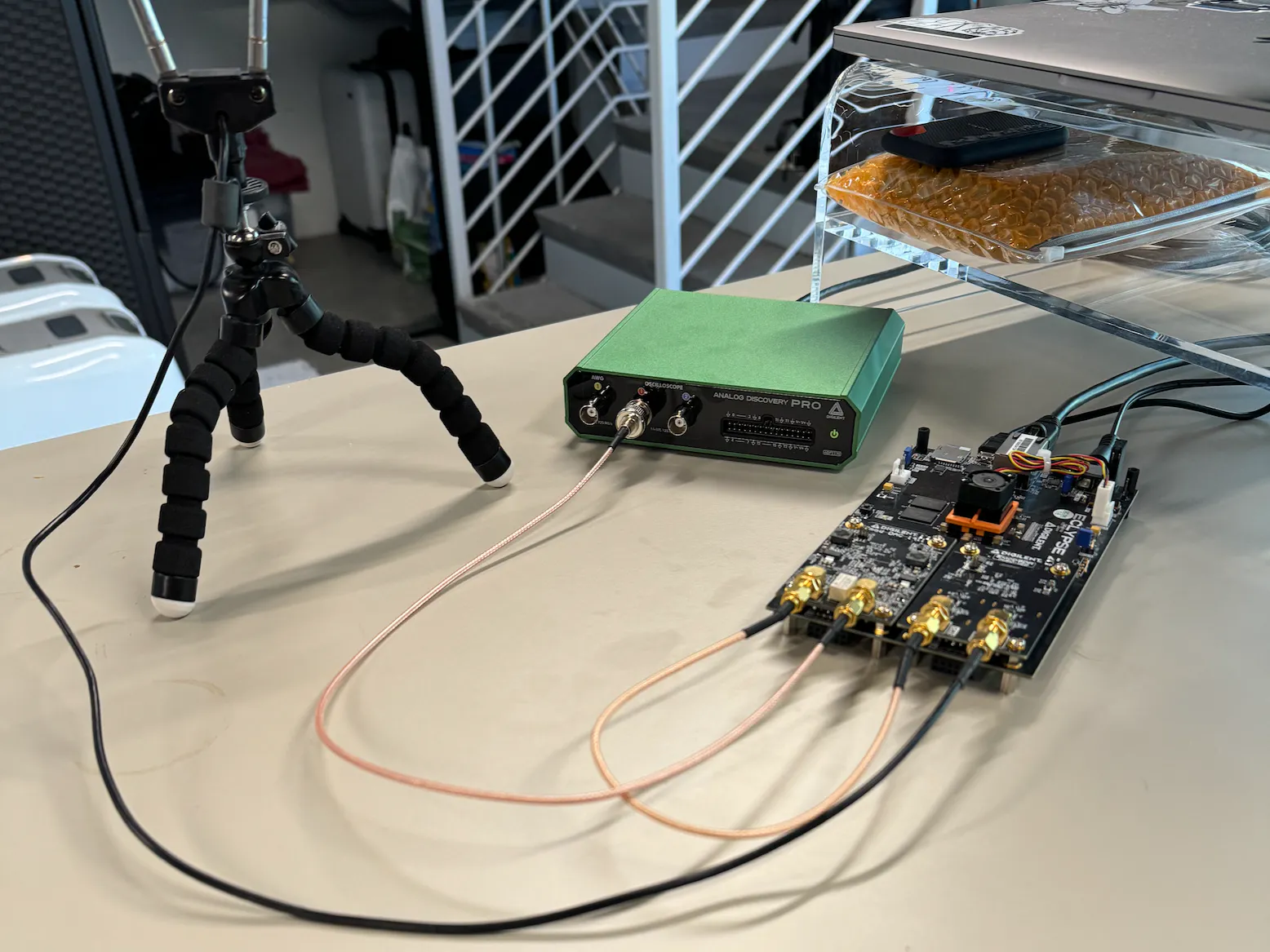
Getting Started with the SDR Zmod on Eclypse Z7 + GNU Radio
Walking through the setup of the SDR Zmod on Eclypse Z7 for SDR development using GNU Radio.
ESP32 iPhone Agent
Turn a seven-dollar ESP32-S3 into a device that lets an AI actually use a real iPhone. The board opens its own Wi-Fi hotspot and shows up in the iOS Screen Mirroring list as ESP32 Agent; it keeps the H.264 stream without decoding it on-device and forwards it over BLE to an app running on the same iPhone. The app decodes the frames, hands screenshots to any OpenAI-compatible vision model, and runs a planner plus an actor that emits tap, swipe, draw, type, key press, home and finish actions. The same board is also a standard USB HID mouse and keyboard: with AssistiveTouch on, its relative pointer makes a click a tap and a drag a swipe, and the app re-homes the pointer in a corner and wiggles it before precise taps to correct drift, waiting for the screen to settle before reporting back to the model. No computer, no jailbreak, and no paid developer account required (a free Apple ID signature must be renewed every 7 days; one-tap hotspot join needs the paid-account Hotspot Configuration capability, otherwise the app shows the password to join manually). Requirements and limits: the AirPlay source must be an iPhone (macOS mirroring is unsupported), iOS 18 or later, BLE carries roughly 300-500 kbps so the mirror is about 480x1040 at up to 5 fps, locking the phone stops mirroring, passcode entry, Apple Pay and DRM video are not mirrored, the board hotspot has no internet so the model is reached over cellular, keyboard input is ASCII only and landscape apps are not supported yet. License: MIT, except the AirPlay code ported from UxPlay, so the firmware binary that links it ships under GPL-3.0.
 MIT(固件二进制为 GPL-3.0)
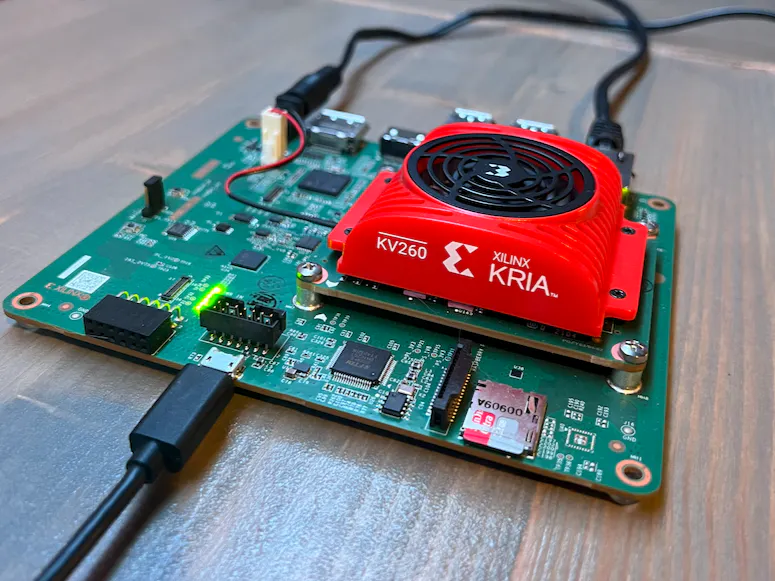
Vitis Acceleration Flow on KV260 - Vitis Platform
Using Vitis for FPGA acceleration, this post in the series for the KV260 covers the final step of creating & testing the Vitis Platform.
Credits to authors and platforms
All projects aggregated here come from the open-source platforms listed above, and copyright remains with the original authors. We respect the work of every open-source contributor, and all content follows its original open-source license. If you are a project author and would like the related content removed, please contact us.